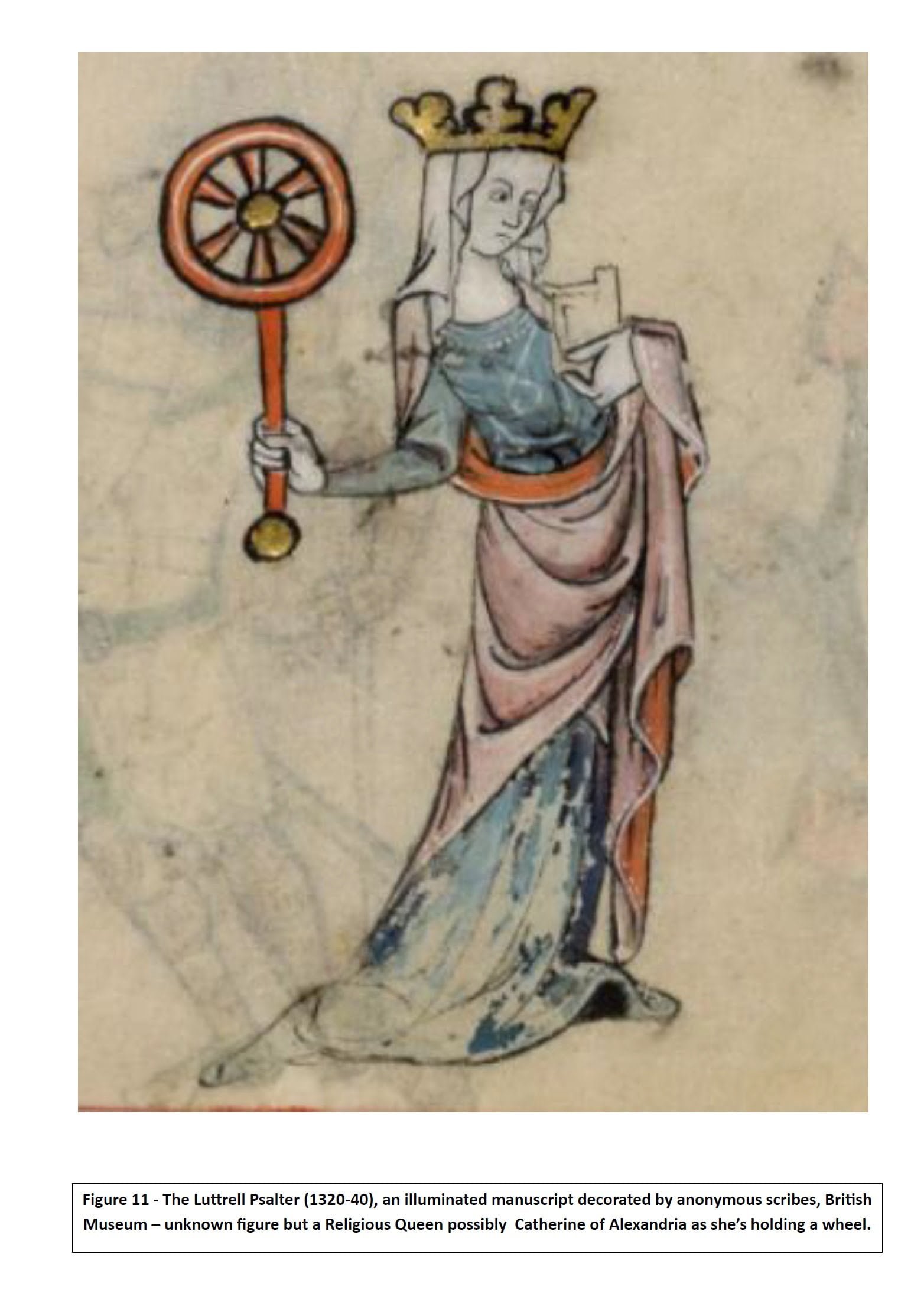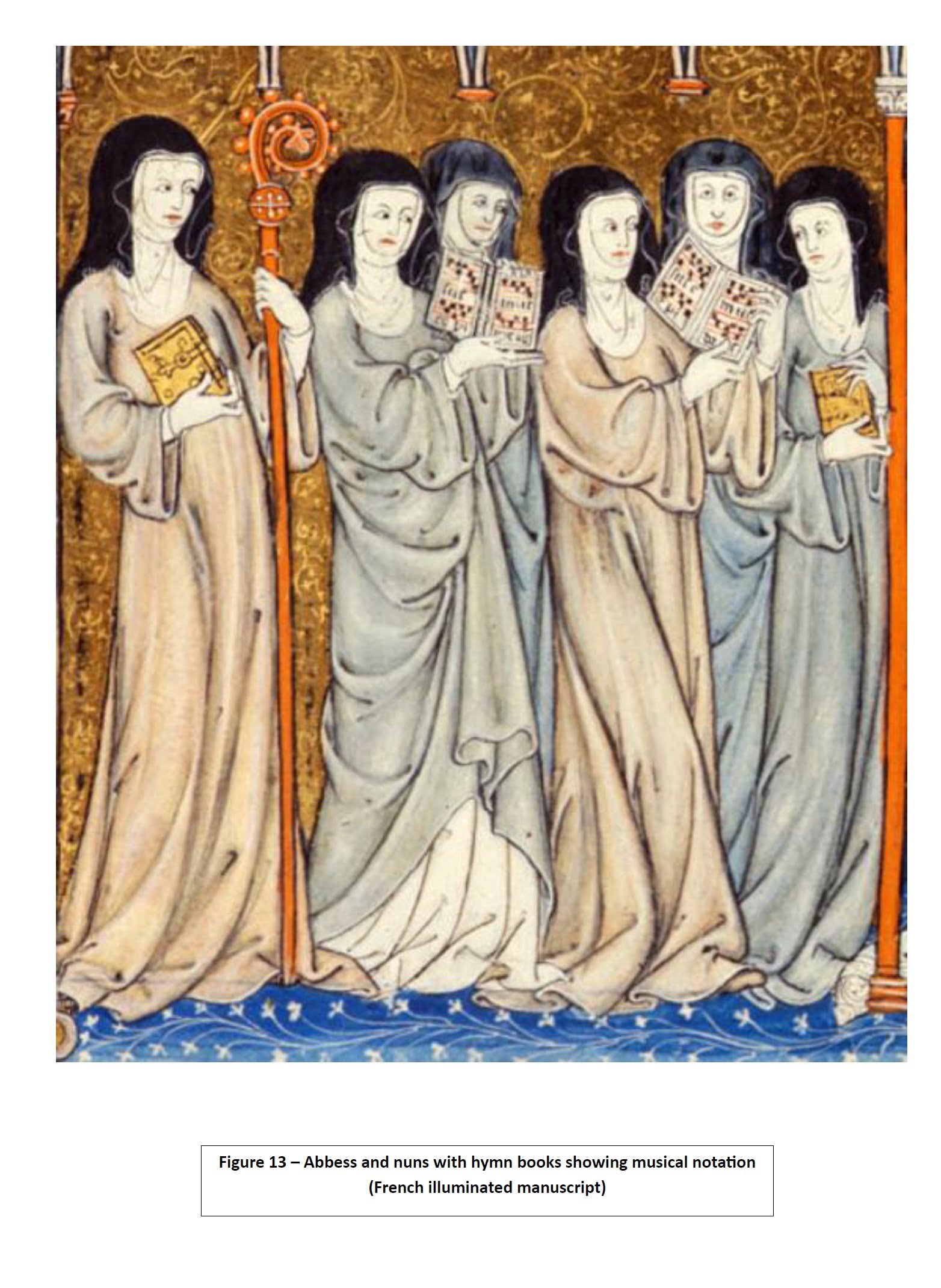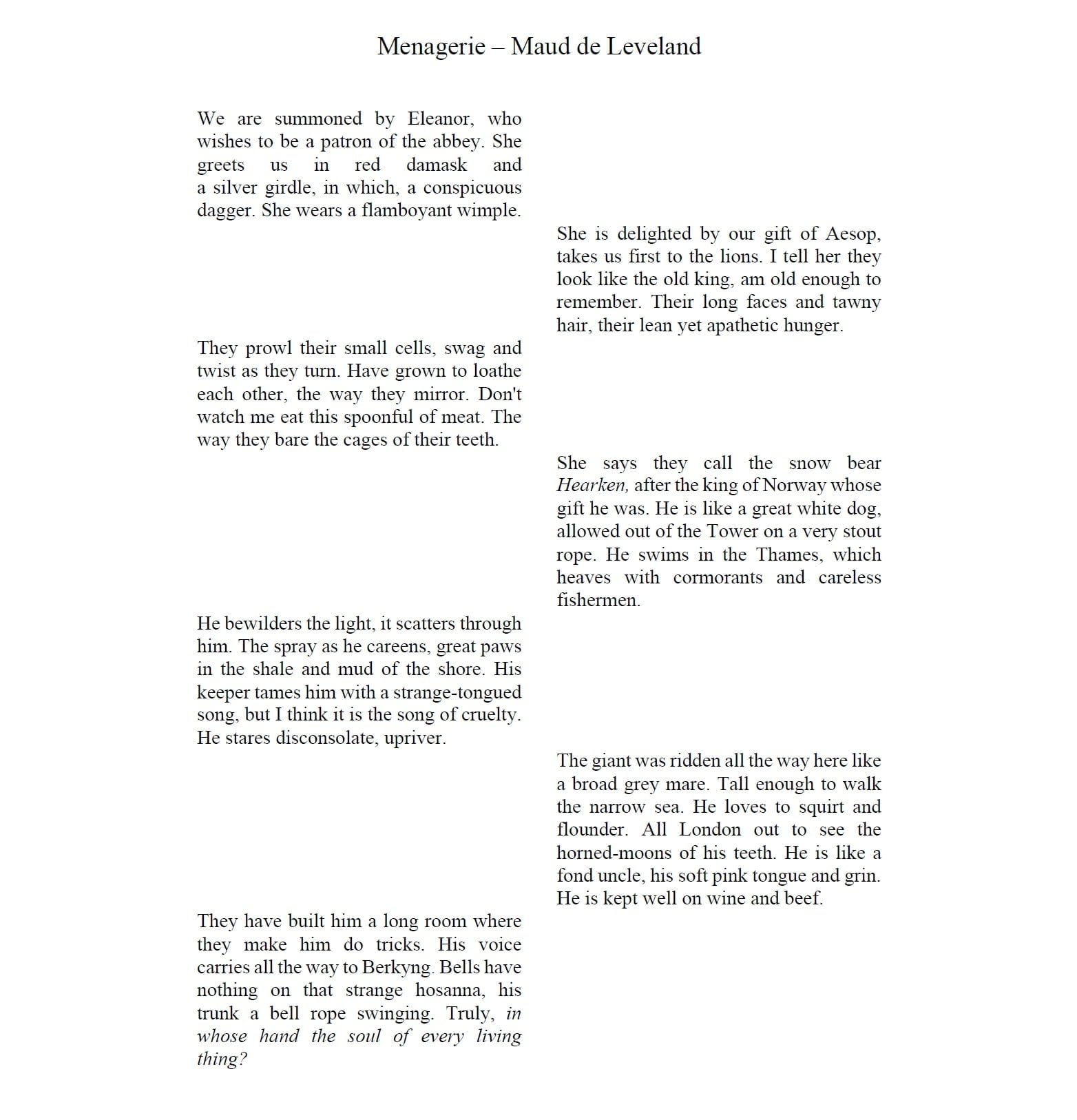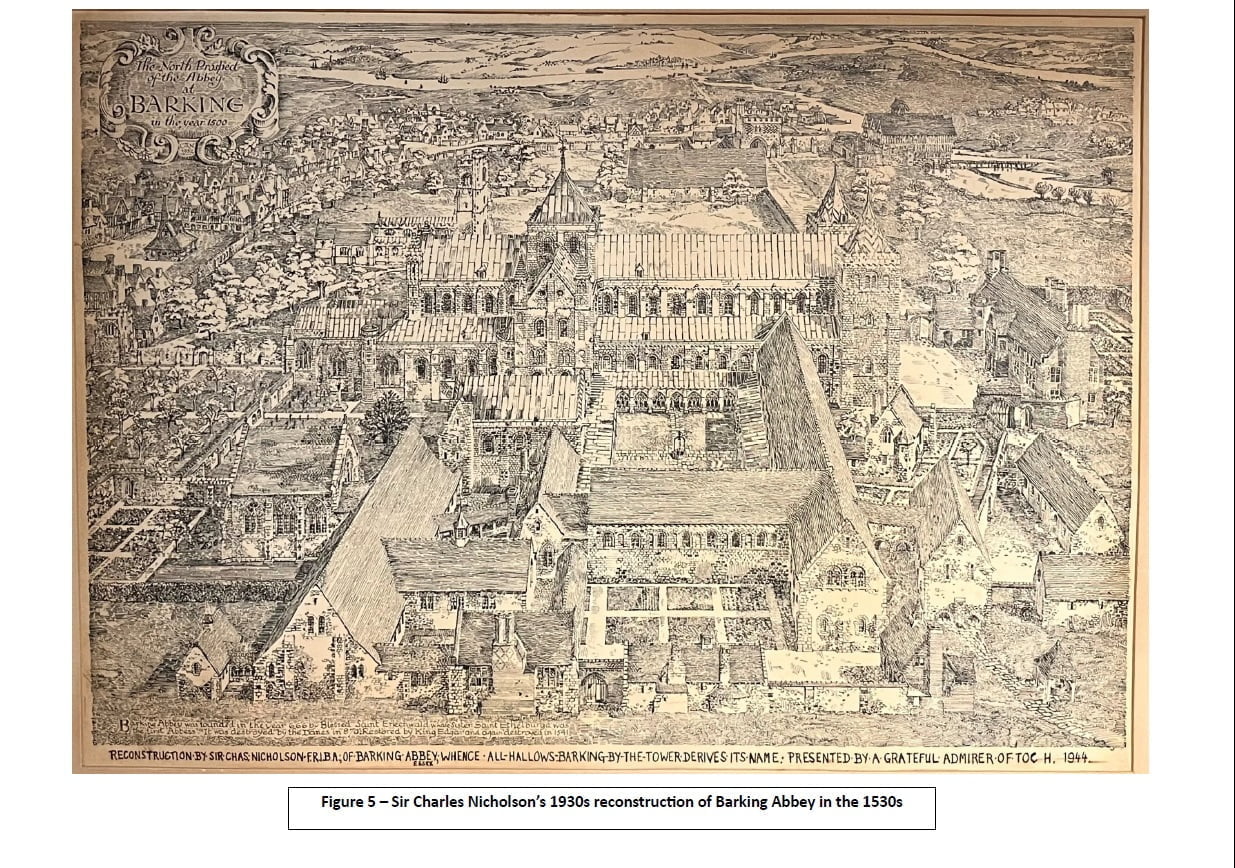
There is a fascinating new display in the window at Hale End Library to show case a new book by local poet Ruth Wiggins ‘The Lost Book of Barkynge’.
We have included one of the poems from the book below and a few of the glorious illustrations in the library window to to give you a taster of what you wil see.
AUTHOR BIO
Ruth Wiggins is a British poet. She loves history and the great outdoors, which makes living in Highams Park the perfect place for her to live and work, with its proximity to both Epping Forest and the history rich city of London. She studied English & Latin at Durham University and has three adult sons. Her poetry and essays have been included in prestigious international journals, newspapers and anthologies. The Lost Book of Barkynge (Shearsman, 2023) is her first full collection and was selected by The Telegraph as its Poetry Book of the Month, with Tristram Fane Saunders describing it as ‘a collection of rare ambition and scope’. Ruth also has three pamphlets: Myrtle (Emma Press, 2014); a handful of string (2020) and Menalhyl (2023). String and Menalhyl were published in collaboration with the local, letterpress publisher, Paekakariki.
BOOK PRÉCIS
In her debut collection, The Lost Book of Barkynge, Ruth Wiggins recovers the forgotten voices of the nuns, abbesses and local women of the medieval abbey at Barking. Against a backdrop of famine, plague, war and spiritual upheaval, the poems explore the strange, uncertain days of the early abbey: mysterious visions, politics, violence, sisterhood, and end with the final abbess mourning the eradication of her home as the Dissolution unhouses her, her sisters, and countless others across Europe. Barking was one of the most significant abbeys in Britain and a centre of learning for women, it offered space to the devout, the bookish, and those who simply did not fit anywhere else. These poems introduce some remarkable characters: poets, visionaries, washerwomen and queens, and range from the sacred feminine, to the protofeminist. Whether one reads The Lost Book of Barking as a series of individual monologues or as a sequence evoking time and place, what emerges is an excavation of forgotten stories. Here the lost voices of the women of Barking are restored in poems that voice the power and poignancy of their lives.
“So our words let them reach then flicker into brightness.”